

Private vs Shared Sunset Cruise West Palm Beach
Short answer: A private sunset cruise in West Palm Beach is almost always the better experience. The flexibility, the intimacy, the ability to...
Quick answer: The best things to do in Juno Beach Florida for nature lovers include visiting the Loggerhead Marinelife Center, hiking 576 acres of coastal preserve at Juno Dunes, joining guided sea turtle nesting walks, kayaking mangrove trails on the Intracoastal, and exploring the limestone coast at nearby Blowing Rocks Preserve.
Juno Beach sits about 20 minutes north of West Palm Beach on Florida's east coast. It's small. Quiet. And somehow still under the radar for most visitors who flock to Miami or Fort Lauderdale instead. But that's exactly what makes it special.
This little coastal town packs an absurd amount of nature into a tight footprint. We're talking about a world-class sea turtle hospital, a 576-acre preserve with trails that stretch from the Atlantic Ocean to the Intracoastal Waterway, and one of the most important nesting beaches on the planet.
Here are 9 things to do in Juno Beach, Florida that every nature lover should know about.
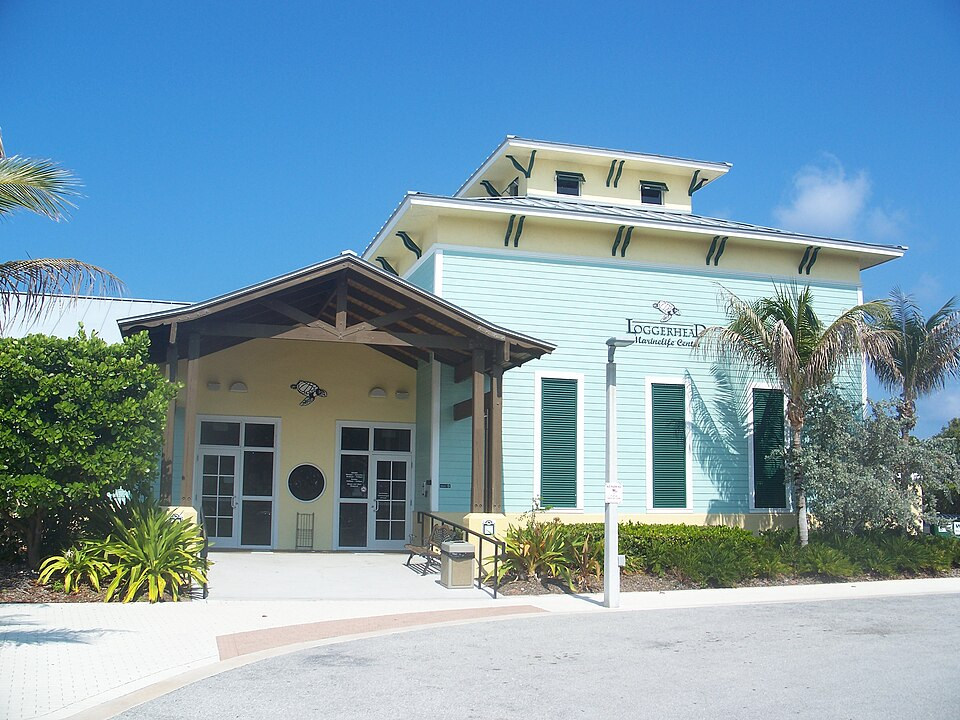
This is the anchor of any nature trip to Juno Beach. The Loggerhead Marinelife Center is a nonprofit sea turtle research and rehabilitation facility that sits right on U.S. Highway 1. And here's the best part: admission is free.
The center features an outdoor sea turtle hospital where visitors can watch real patients getting treated, educational exhibits, aquariums, and a research lab. It welcomes over 350,000 guests each year, making it one of Florida's most visited nonprofit scientific destinations.
What to expect:
In May 2026, the center made headlines for documenting the first-ever Olive Ridley sea turtle nest in Florida. That's the kind of thing that happens here. Because this stretch of coastline is one of the busiest sea turtle nesting beaches in the world.
Speaking of turtles. During nesting season (roughly June through September), the Loggerhead Marinelife Center offers guided Turtle Walks on the beach at night. These walks give visitors a chance to watch a sea turtle come ashore and lay her eggs. It's a once-in-a-lifetime kind of experience.
The center also runs a Hatchling Discovery Program and Hatchling Releases during peak season. These do require registration, and some carry a fee. But for anyone serious about wildlife, it's worth every cent.
Pro tip: Spots fill up fast. Register through the center's event calendar as early as possible.
This 576-acre preserve is one of the biggest pieces of public land in Juno Beach. And it's seriously underrated. The preserve spans from the Atlantic Ocean all the way to the Intracoastal Waterway, covering coastal dunes, mangroves, scrub habitats, and restored wetlands.
There are two main tracts to explore:
|
Tract |
Highlights |
Trail Type |
|
Oceanfront Tract |
Ocean views, observation platform, sea turtle nesting beach access |
Wheelchair-friendly paved trail plus foot trails |
|
West Tract |
Restored wetlands, Intracoastal Waterway access, scrub oak habitat |
Paved paths, boardwalks, and sandy hiking loops |
The West Tract connects to the Scrub Oak Hiking Trail, which loops through flatwoods and xeric hammock before reaching the Intracoastal. At 44 feet of elevation, the observation platform sits at one of the highest natural points in all of Palm Beach County. Not exactly the Rockies. But for South Florida? That's significant.
The preserve is open from sunrise to sunset daily. Free entry.
Juno Dunes Natural Area is an official stop on the Great Florida Birding and Wildlife Trail. So birdwatching here isn't just good. It's recognized at a state level.
The West Tract's restored wetland area is the prime spot. Waders, skulking migrants, osprey, pelicans, and herons are all regular sightings. The scrub and flatwoods sections are habitat for threatened gopher tortoises, too. Plus the occasional giant land crab, which is always a fun surprise.
Commonly spotted species:
Bring binoculars. Show up early, before the heat kicks in. The sandy trails can get challenging in spots, so sturdy shoes help.
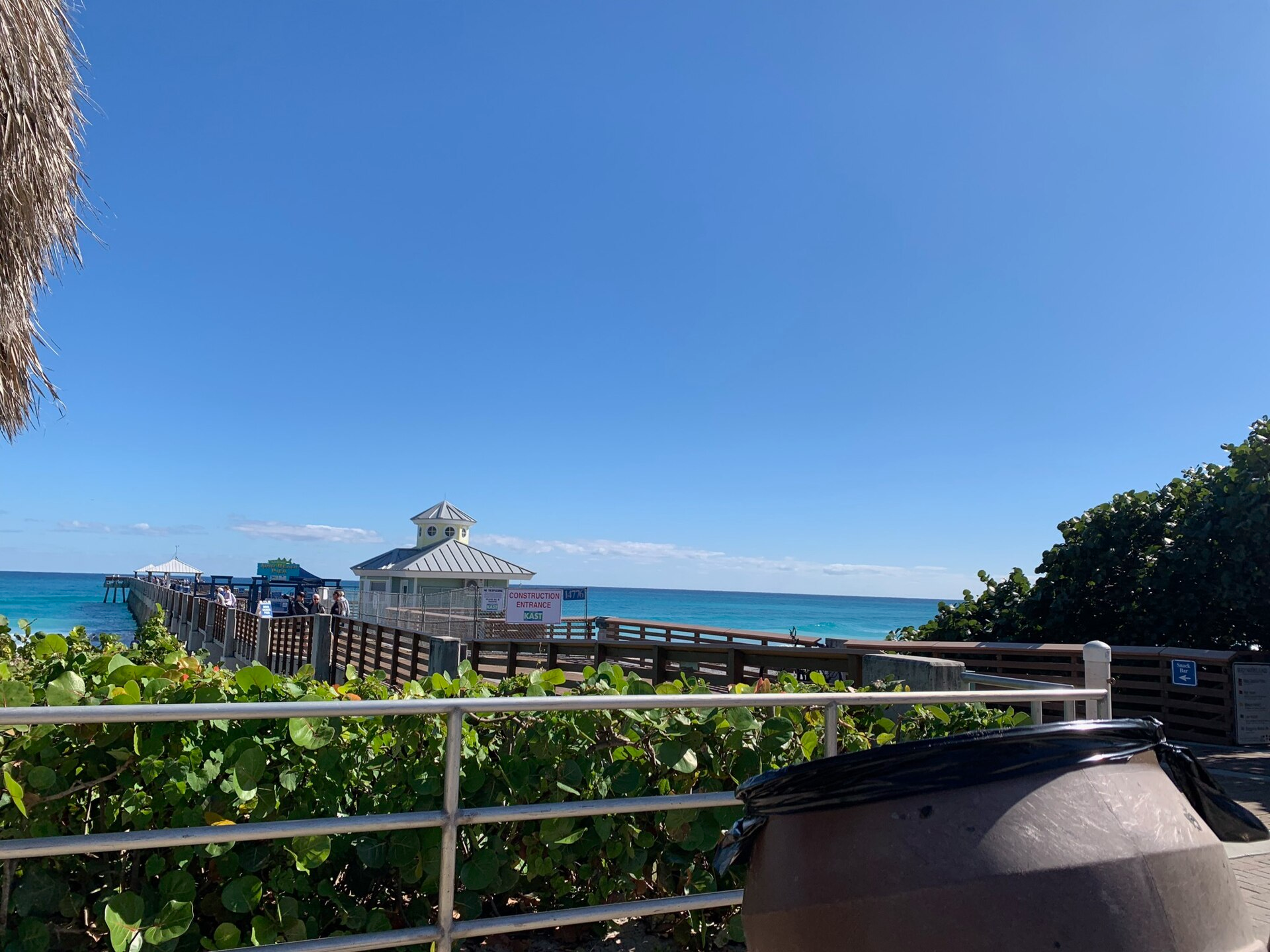
For a more laid-back nature experience, Juno Beach Park is the spot. Soft sand, clean water, and ocean views that stretch to the horizon. The park has a guarded swimming area, outdoor showers, restrooms, and sheltered picnic tables.
There's also a designated surfing zone. Not huge waves by California standards, but solid enough for a morning session.
What makes this beach different from busier spots further south? Space. It never feels packed. Families spread out. People walk the shoreline and actually find shells without competing for them. It's the kind of beach day that doesn't require a strategy to find parking.
The Juno Beach Pier stretches 990 feet into the Atlantic. It's managed by the Loggerhead Marinelife Center and is a popular spot for saltwater fishing, dolphin watching, and catching sunrise.
A note for 2026 visitors: Phased refurbishment construction began on the pier in June 2026. The entire pier is not closed. Sections are being updated in phases to keep public access open throughout the project. Check the Loggerhead Marinelife Center's website or social channels for weekly construction updates before visiting.
Even with the work happening, the pier remains one of the best free things to do in Juno Beach, Florida for anyone who wants to be right over the water.
The Intracoastal Waterway running through Juno Beach is one of those hidden gems for paddlers. The calm, sheltered water is perfect for kayaking and stand-up paddleboarding at any skill level.
The real draw? Wildlife. Paddle through mangrove-lined channels, and you'll likely spot herons, manatees, and turtles. The Juno Dunes West Tract even has day-use docks on the Intracoastal, giving paddlers and boaters direct access to the preserve's natural shoreline.
Local rental shops in the area make it easy to grab a kayak or paddleboard for a few hours. No prior experience needed.
For those who'd rather explore the waterway on a larger vessel, Jupiter boat rentals offer chartered cruises that cover this same stretch of coast with a lot more comfort.
Technically, Blowing Rocks Preserve sits on Jupiter Island, about a 15-minute drive north. But it's close enough to include on any Juno Beach nature trip. And it's too special to skip.
This 73-acre preserve, managed by The Nature Conservancy, features the largest exposed Anastasia limestone formation on Florida's Atlantic coast. During high tide with rough seas (common in winter), water shoots through holes in the rock up to 50 feet in the air. It's dramatic. Almost unreal for Florida.
What makes it worth the drive:
The preserve is open 9 AM to 4:30 PM. No pets, food, or drones allowed. Parking can fill up quickly, so plan to arrive early.
For nature lovers who want a wider view, exploring the Intracoastal Waterway by boat opens up a completely different side of Juno Beach. From the water, the coastline looks untouched. Mangrove islands, wading birds, dolphins breaking the surface. It's a perspective that trails and parks can't match.
The Intracoastal connects Juno Beach to Jupiter, Palm Beach, and points south toward Boca Raton. That route also passes near Peanut Island, a boat-access-only destination with snorkeling lagoons and sandbars that's worth a full day trip on its own.
A half-day cruise covers a surprising amount of ground and wildlife. Chartering a boat lets groups set their own pace, stop where they want, and spend time in the spots that matter to them.
For anyone staying in the Boca Raton or Palm Beach area, cruising north toward Juno Beach on a chartered yacht is one of the most scenic and relaxing ways to experience South Florida's natural coastline.
A Palm Beach boat charter puts the starting point even closer to Juno Beach, cutting travel time and leaving more room on the itinerary for wildlife stops along the way.
Is Juno Beach good for nature lovers?
Yes. Juno Beach is one of the best nature destinations in Palm Beach County. It's home to a world-class sea turtle conservation center, a 576-acre coastal preserve, guided turtle nesting walks, and calm waterways perfect for kayaking and birdwatching.
Is the Loggerhead Marinelife Center free to visit?
Yes. Admission and parking are both free. The center is open daily from 10 AM to 5 PM. Donations are accepted and go directly toward sea turtle rehabilitation and ocean conservation. Some seasonal programs like Turtle Walks do carry a fee and require advance registration.
What is the best time to visit Juno Beach for wildlife?
Sea turtle nesting season runs from June through September, making summer the peak time for turtle-related activities. For birdwatching, the cooler months from November through March bring migratory species. Manatees are most commonly spotted in the Intracoastal Waterway during winter.
How far is Juno Beach from Boca Raton?
Juno Beach is roughly 35 to 40 minutes north of Boca Raton by car, depending on traffic. The Intracoastal Waterway also connects the two areas by boat, making it a popular route for chartered cruises along the coast.
Short answer: A private sunset cruise in West Palm Beach is almost always the better experience. The flexibility, the intimacy, the ability to...
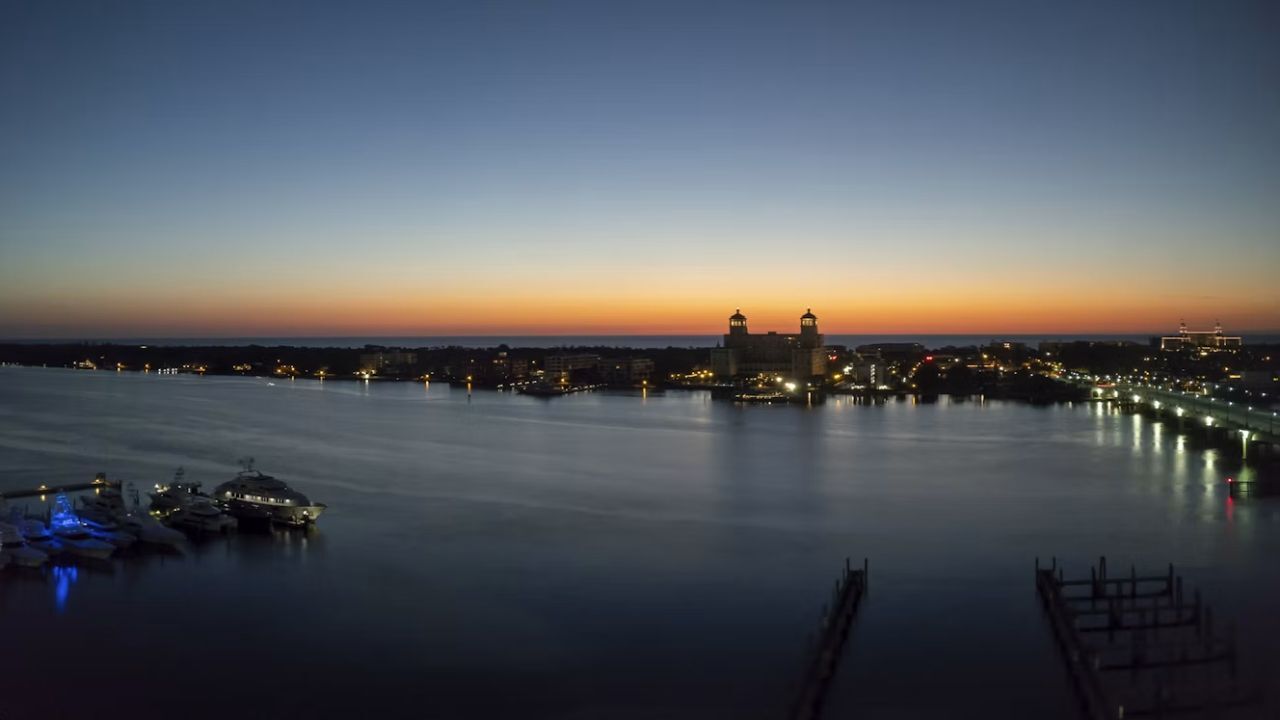
The best waterfront restaurants West Palm Beach has to offer aren't just near the water. They're on it. And several of them let boaters pull up, tie...
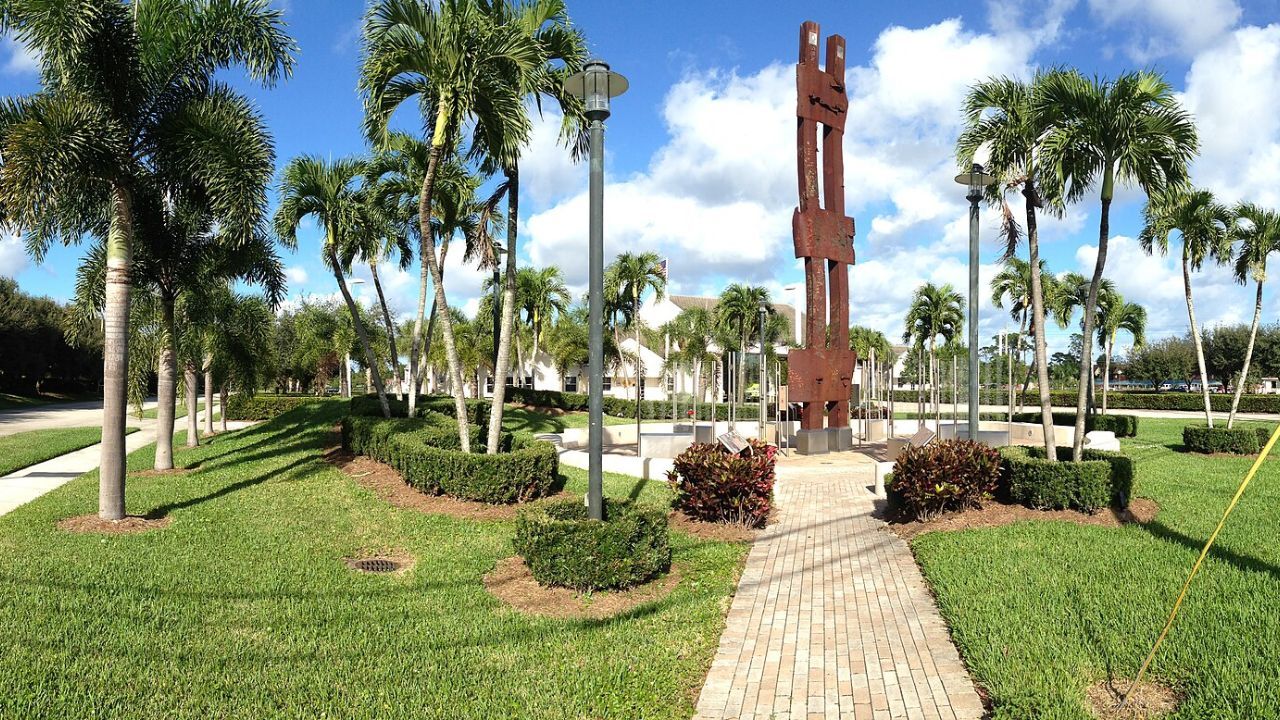
Quick answer: The best things to do in Palm Beach Gardens include exploring John D. MacArthur Beach State Park, dining at PGA Commons, visiting the...